
As of November 2, 2026: Authorities have not determined what caused the crash. This report separates the family’s account from details confirmed by investigators.
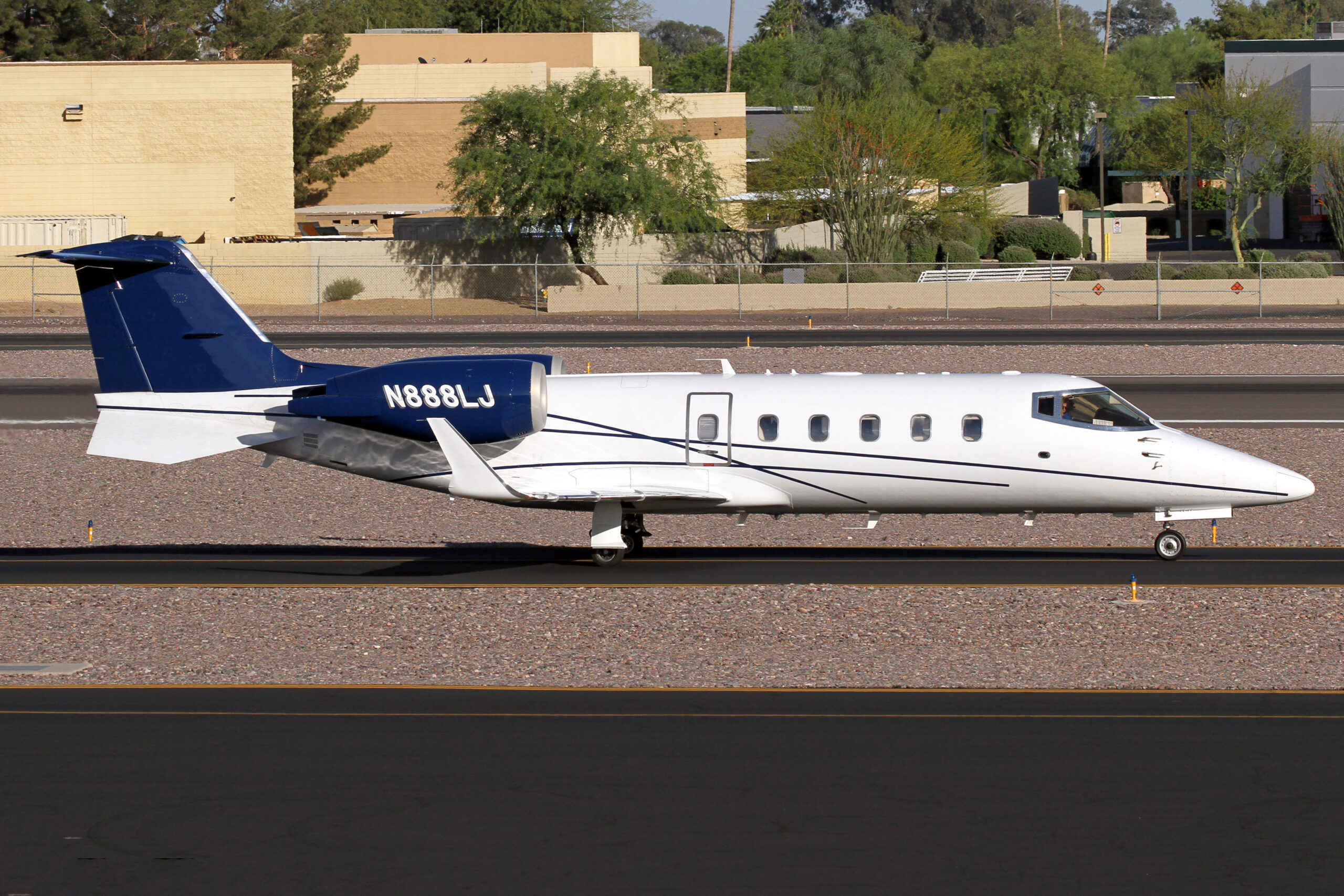
A young pilot’s career had barely begun when it ended in a fatal business-jet crash in South Florida. Nathalia Gadelha Filgueiras, 20, was the co-pilot aboard a Learjet 60 that crashed in Palm Beach County on Sunday, November 1, killing all nine people aboard, according to her family and federal authorities.
Her mother identified her to The Associated Press. In comments reported by CNN Brasil, relatives described Filgueiras as responsible and hardworking and said she was on the job as co-pilot. Those details have drawn attention to a life shaped early by flying, even as the investigation into the crash remains at its earliest stage.
A pilot’s license before she finished high school
Filgueiras earned a pilot’s license in 2023, when she was 17 and a senior at West Boca Raton Community High School in Florida. The Palm Beach County School District paid for the license through the school’s aviation academy, which gives students exposure to aviation through flight simulators and drones, the Associated Press reported.
The achievement made her unusually young, but the known facts should be kept precise. The AP reported that her license showed a rating to fly the Learjet model, while not qualifying her to be in command of the flight. That distinction matters: being able to operate an aircraft as a co-pilot does not mean a person holds the authority assigned to the captain.
Her stepfather told CNN Brasil that she had accumulated more than 1,300 flight hours and completed training through American Flyers. Those are family-provided details reported by the Brazilian news outlet; they have not appeared in the FAA’s brief public crash statement. The authorities have not yet released a full list of the nine people aboard.
What is known about the Florida crash
The Learjet 60 went down around 12:50 p.m. local time in a residential area near Cresthaven, Florida, according to the Federal Aviation Administration. The plane had departed Austin, Texas, and was headed toward the Bahamas, news reports said. It crashed in Greenacres, in Palm Beach County, near a roadway and homes.
All nine people aboard died. Authorities have reported no deaths on the ground. The impact left a crater and damaged the road; residents of nearby mobile homes were evacuated while officials secured the scene and investigators documented debris, according to the AP.
The FAA says it is investigating with the National Transportation Safety Board, which will lead the inquiry. At a news conference reported by the AP, NTSB board member Tom Chapman said investigators had an indication that parts of the aircraft began breaking away before impact. That is an early investigative observation, not a conclusion about why the aircraft failed.
A distress call is evidence, not an answer
Audio of radio communications captured in the minutes before the crash has been reported by news organizations. The pilot described ice accumulating on the aircraft and moderate turbulence, then reported a rapid descent and declared an emergency. The aircraft descended at an extreme rate before impact, according to the recordings cited in AP coverage.
Those exchanges offer investigators a timeline and potential clues. They do not establish whether weather, aircraft systems, structural damage, human factors or a combination of issues caused the emergency. A transcript alone cannot reveal the full condition of the aircraft, the cockpit instruments, the crew’s actions or what happened to the jet’s structure.
The NTSB’s work typically involves gathering and examining wreckage, maintenance and operational records, flight data when available, witness accounts and relevant air-traffic communications. Investigators may issue preliminary updates before a final report, but early statements should not be mistaken for a definitive finding. The cause of this crash remains undetermined.
Keeping the co-pilot’s role in view
Family accounts have emphasized that Filgueiras was working as a co-pilot and did not have decision-making authority for the flight. The AP’s description of her license also distinguishes her rating from authority to command the aircraft. These points are important context when public attention turns to the cockpit recordings or to the pilots’ actions.
They do not resolve what happened in the cockpit. Investigators have not publicly assigned responsibility to either pilot, and there is no factual basis to infer from a person’s age, training path or job title what they did during the emergency. The evidence must be assessed as a whole, including the aircraft and operational records.
What remains to be confirmed
Important details are still missing from the public record: the official identities of all nine victims, the complete flight and maintenance history, the aircraft’s recorded data, and the sequence of events that led to the steep descent. Investigators will also need to establish whether the apparent pre-impact breakup was linked to the loss of control or occurred as a consequence of the developing emergency.
The FAA’s online notice is preliminary and directs the public to the NTSB for updates. Until investigators publish substantiated findings, claims about a single cause should be treated cautiously. Weather reports and cockpit audio may form part of the evidence, but neither alone explains a complex accident.
A young life should not be reduced to a crash
For Filgueiras’s family, the loss is personal; for the public, the story also reveals how early some people begin pursuing aviation. She obtained her license as a teenager through a school-linked program and later worked aboard a business jet. Relatives’ descriptions of her work ethic and commitment sketch a young professional, though the family’s grief and privacy deserve respect.
That account should sit alongside, not replace, the investigation. The tragedy involved nine people, and officials have not yet released the names of everyone killed. The focus on one young co-pilot can help readers understand who was aboard, but it cannot stand in for the other victims or turn incomplete evidence into a verdict.
For now, the clearest account is limited: a Learjet 60 crashed in Palm Beach County while traveling from Texas toward the Bahamas; nine people died; Filgueiras’s family identified her as the co-pilot; and federal investigators are examining the wreckage and circumstances. What caused the aircraft’s rapid descent—and what happened in its final moments—will have to be answered by evidence still being gathered.