
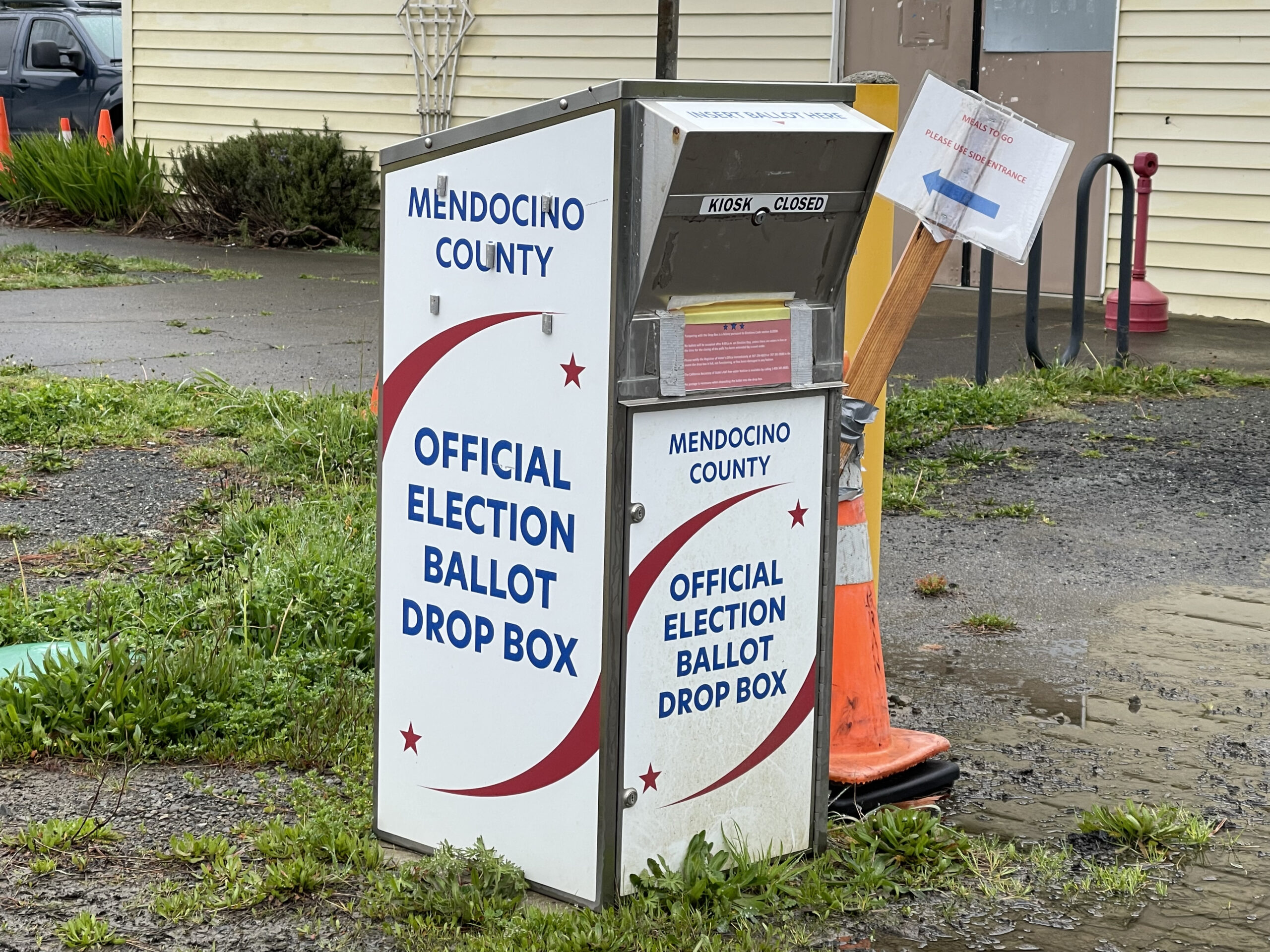
A legal fight over roughly 20,000 California mail ballots moved to the U.S. Supreme Court on the eve of the Nov. 3 midterm elections, putting election administration and voter protections under intense scrutiny. The Trump administration asked the high court to intervene after lower courts rejected its effort to set aside ballots linked to people the federal government suspected might not be citizens.
How the ballot dispute developed
The dispute is part of a broader contest over who controls the mechanics of federal elections and what evidence is enough to prevent a ballot from being counted. Federal officials argued that the ballots should be held until voters’ status could be checked. California officials said the list was unreliable and likely included many citizens. A district judge warned that the requested action could disenfranchise eligible voters. Those competing claims should not be treated as established facts beyond what the courts have found.
The Associated Press reported that the administration’s emergency appeal followed an appeals-court rejection of the effort. The case arrived at a sensitive moment: voters were already casting ballots, and the midterms will decide control of Congress for the final two years of President Donald Trump’s term. A late judicial order can change what election offices must do while they are processing votes, so courts must weigh timing as well as the underlying legal arguments.
The state’s mail-ballot process
California operates a universal mail-ballot system, sending ballots to registered voters. The state’s process includes signature verification and opportunities for ballots to be returned through drop boxes or voter centers. In the case described by AP, the Justice Department sought to stop some ballots from being counted until eligibility was verified, while state officials disputed the reliability of the underlying list. A name on a federal list is not, by itself, proof that a person cast an ineligible ballot.
Eligibility checks and ballot handling
That distinction matters because voter eligibility and ballot handling involve different steps. Election officials maintain registration records, verify returned ballots under state rules and count valid votes. A challenge may focus on the accuracy of government databases, the method used to identify potential ineligible voters, the authority of federal agencies or the remedies a court can order. Clear evidence and a chance for affected voters to respond are central safeguards in any system that risks excluding eligible people.
Why timing matters
The case also illustrates why legal decisions close to Election Day can create practical uncertainty. County clerks need instructions that can be applied consistently across thousands of ballots. Voters need to know whether they can return a ballot, whether a signature issue can be corrected and how to check its status. If different levels of government send conflicting messages, public confidence may suffer even before a court reaches the merits.
Election litigation is not inherently evidence of misconduct. Courts are one route for resolving disputes about statutes, procedures and constitutional authority. But the remedy must fit the evidence. Setting aside ballots in bulk can affect lawful votes if a database includes errors; counting ballots without required checks can also violate election rules. The judicial task is to apply the law while avoiding avoidable harm to voters and the integrity of the count.
This case is unfolding in a campaign environment where false or unverified claims about voting can travel quickly. The AP has separately documented election misinformation circulating before the vote. That makes precise language especially important: officials’ suspicions are not findings; a lawsuit is not proof; and a court’s procedural ruling should not be misrepresented as a final decision about each voter’s citizenship. News coverage should state what the courts have ordered and what remains unresolved.
What happens next
As polling places open and ballots are counted, the next facts to watch are the Supreme Court’s action, any instructions issued to California counties, and the state’s process for informing voters whose ballots are flagged. The court record should clarify the legal standards applied and whether any relief is narrow or statewide. Election administrators can help by publishing plain-language guidance and explaining how a voter can correct a problem without disclosing sensitive personal information.
The larger policy question is how governments can verify eligibility without turning imperfect records into a barrier to lawful participation. Better data matching, transparent procedures and timely notice can reduce errors. Those safeguards require investment and coordination before an election, not improvised rules at the last minute. They also require public reporting that separates confirmed cases from leads, so the scale of a problem is not inflated by unverified names.
As of Nov. 3, this draft reflects the litigation reported before Election Day and does not claim a final Supreme Court outcome or election result. Any update should be based on a new court filing, official state guidance or a verifiable AP report. [Interview needed: a California county election official and a nonpartisan voting-law expert on the practical effect of any order.]
What voters and officials should watch
Election-night reporting will need to distinguish ballots cast from ballots counted and preliminary projections from certified results. In many jurisdictions, mail ballots take longer to process than in-person votes because election offices must verify signatures, open envelopes and tabulate them under state law. A temporary gap in reporting is not evidence that votes have been lost or altered. For this California dispute specifically, the relevant record is any Supreme Court order and the instructions sent to county election offices. If officials flag a ballot, voters should rely on their county registrar or the state election office for information about status and correction options.
Longer term, the case raises a practical administrative question: how can agencies flag potential eligibility problems accurately and early enough for due process? That requires documented matching standards, a way to correct mistaken records and public counts that separate allegations from confirmed violations. Election offices also need stable funding and time to train staff before rules change. Once the 2026 vote is counted, courts and lawmakers may revisit the dispute, but any policy response should be grounded in evidence about the list’s accuracy and the safeguards that prevented eligible voters from being excluded.
This is why election officials repeatedly ask the public to use official county channels for procedural questions. A social-media post may omit the date, county or specific rule that determines whether a ballot can be cured. The same image can be presented with different claims, and an initial projection can be mistaken for an official count. Reporters should name the court, quote the order accurately and update readers when a decision changes. Clear timestamps and links to original filings help the public follow a fast-moving case without confusing a legal allegation with a proven fact.