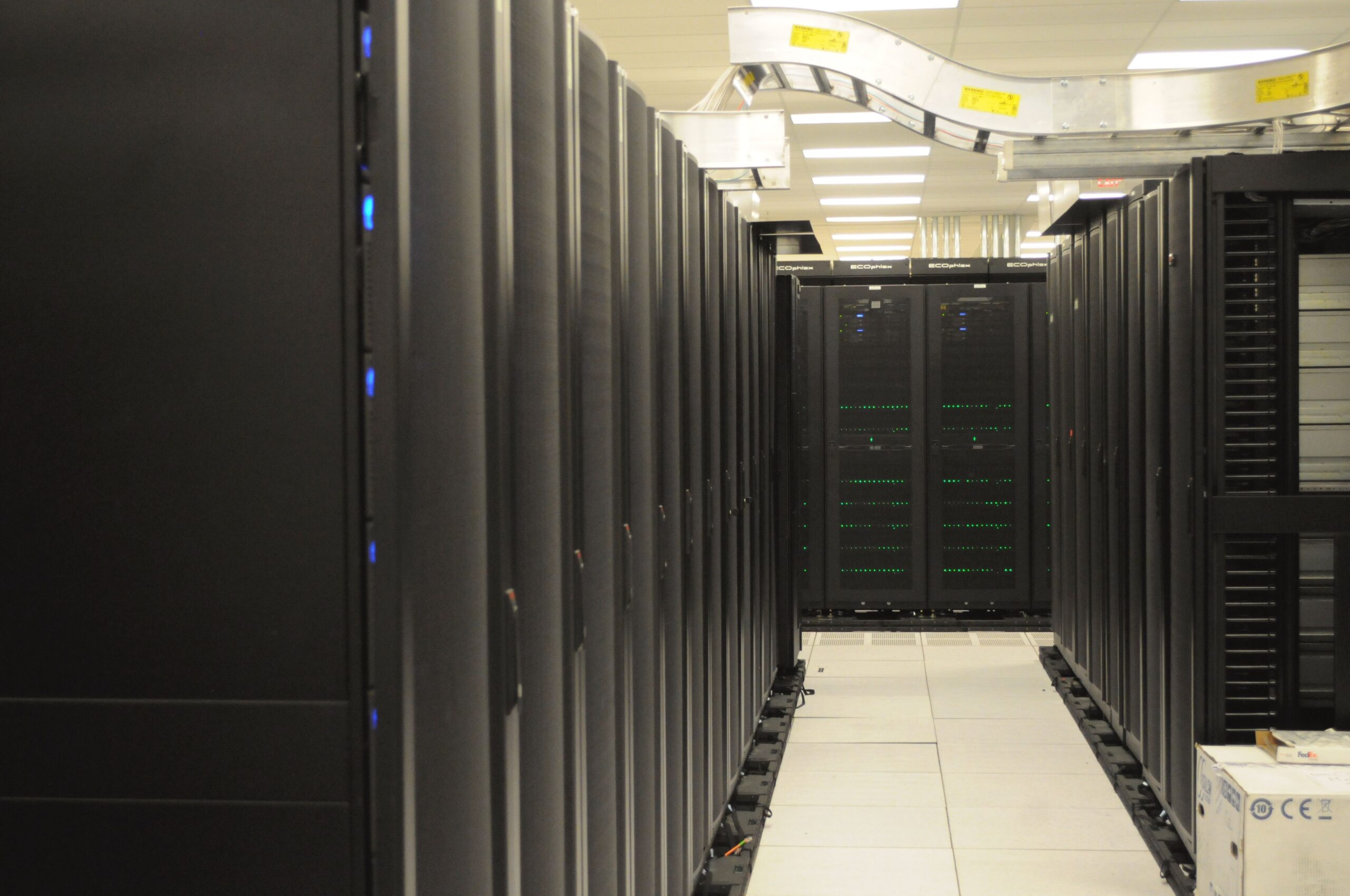
The companies attracting fresh attention in the AI boom are not all household names. “Neoclouds” such as CoreWeave, Nebius, IREN and Applied Digital operate large computing facilities and lease access to powerful chips and data-centre capacity to major AI developers. Their rapid expansion has put a less visible part of the AI economy—and the debt supporting it—under sharper scrutiny.
The concern is not simply that these firms are small. It is that their business model depends on expensive hardware, ongoing access to finance and continued demand from a relatively concentrated group of large customers. If any of those assumptions changes, the effects can reach lenders and investors as well as the companies themselves.
What neocloud companies do
Neoclouds sell access to specialised computing capacity used to train and run artificial-intelligence systems. Rather than waiting to build every facility themselves, major technology firms and AI developers can rent servers or computing time from these providers. The arrangement can help customers obtain capacity quickly while giving neocloud operators a route to grow alongside AI demand.
Several companies in the sector have roots in cryptocurrency mining. CoreWeave, Core Scientific, IREN and Applied Digital are among the firms that adapted infrastructure originally used for crypto computing. Nebius has a different history: it emerged from the restructuring of the former Yandex group. That varied background means the sector includes businesses with different assets, debt levels and customer relationships; they should not be treated as identical.
Why borrowing is central to the model
High-performance chips and data-centre capacity require large upfront investment. Some neocloud operators use customer contracts and computing equipment as part of the collateral supporting loans. Long-term contracts can give lenders confidence that customers will pay for capacity, but the borrower can still face pressure if costs rise, projects are delayed, equipment loses value or a customer changes its plans.
That dependence creates a connection between smaller infrastructure providers and much larger technology companies. The creditworthiness of a customer may influence whether a project can borrow, while the customer’s future spending decisions help determine whether the neocloud can keep generating revenue. This link can support growth during a boom, but it also means a change in a major buyer’s plans can affect several firms at once.
BBC reporting on the sector described investor concern about CoreWeave and other publicly traded neocloud companies after share-price declines and higher borrowing costs. The same report cited Gartner analysts’ forecast that 80% of neocloud firms could cease independent operations by 2030, and Forrester analysts’ expectation that some may be acquired as finances tighten. These are forecasts, not confirmed outcomes; consolidation can also occur when a sector matures, without implying that every business is failing.
The wider AI debt picture
The risks extend beyond neoclouds. The Bank of England’s July 2026 Financial Stability Report said AI investment is increasingly financed through private credit, securitised data-centre assets, special-purpose vehicles and other bespoke arrangements. It cautioned that these structures can make it harder to see where risk ultimately sits, and that long-term borrowing may finance equipment with a shorter useful life.
Moody’s Ratings has highlighted another practical test: a finished data-centre building does not automatically earn revenue. It needs reliable power, installed equipment, operational readiness and customers. Reuters reported on October 27, citing Moody’s, that loans coming due between 2027 and 2029 could test weaker borrowers’ ability to refinance if lenders become more selective or borrowing remains costly.
A warning signal, not a verdict
Neoclouds are filling a real need while demand for computing capacity is strong. Their infrastructure and customer contracts may support substantial businesses. But rapid expansion financed with debt can leave less room for error if electricity is delayed, customers reduce spending, new chips make existing hardware less competitive or refinancing becomes harder.
For investors, the useful questions are specific: who owes the money, what assets and contracts secure it, when must it be repaid, and which company absorbs losses if a project underperforms? The growing role of little-known AI infrastructure firms helps explain why the bubble debate has moved from technology valuations into credit markets. It does not prove that the AI boom is about to burst.
Sources
- BBC News, “These firms you’ve never heard of are feeding fears the AI bubble could burst”
- Bank of England, Financial Stability Report, July 2026
- Reuters, AI financing driving private credit growth as refinancing risks rise, October 27, 2026
- Moody’s Ratings, “Power without delivery,” July 31, 2026
